

Discover how to create products that truly resonate with your audience by adopting a user-centered design approach. In this post, we explore essential steps like empathizing with users, crafting detailed personas, mapping user journeys, and prioritizing simplicity and accessibility. Learn why real-world feedback and emotional connection are crucial for building products people love and trust. Whether you're designing a mobile app, website, or digital tool, this guide offers practical insights for crafting intuitive, user-friendly solutions that stand out in today’s competitive market.

Introduction
Creating products that users love isn't just about flashy features or sophisticated technology—it's about deeply understanding their needs, preferences, and pain points. A user-centered design approach ensures that your product isn’t just functional, but truly valuable and intuitive. Here’s how you can craft a product that resonates with your audience and stands out in a competitive market.
1. Start with Empathy: The Heart of User-Centered Design
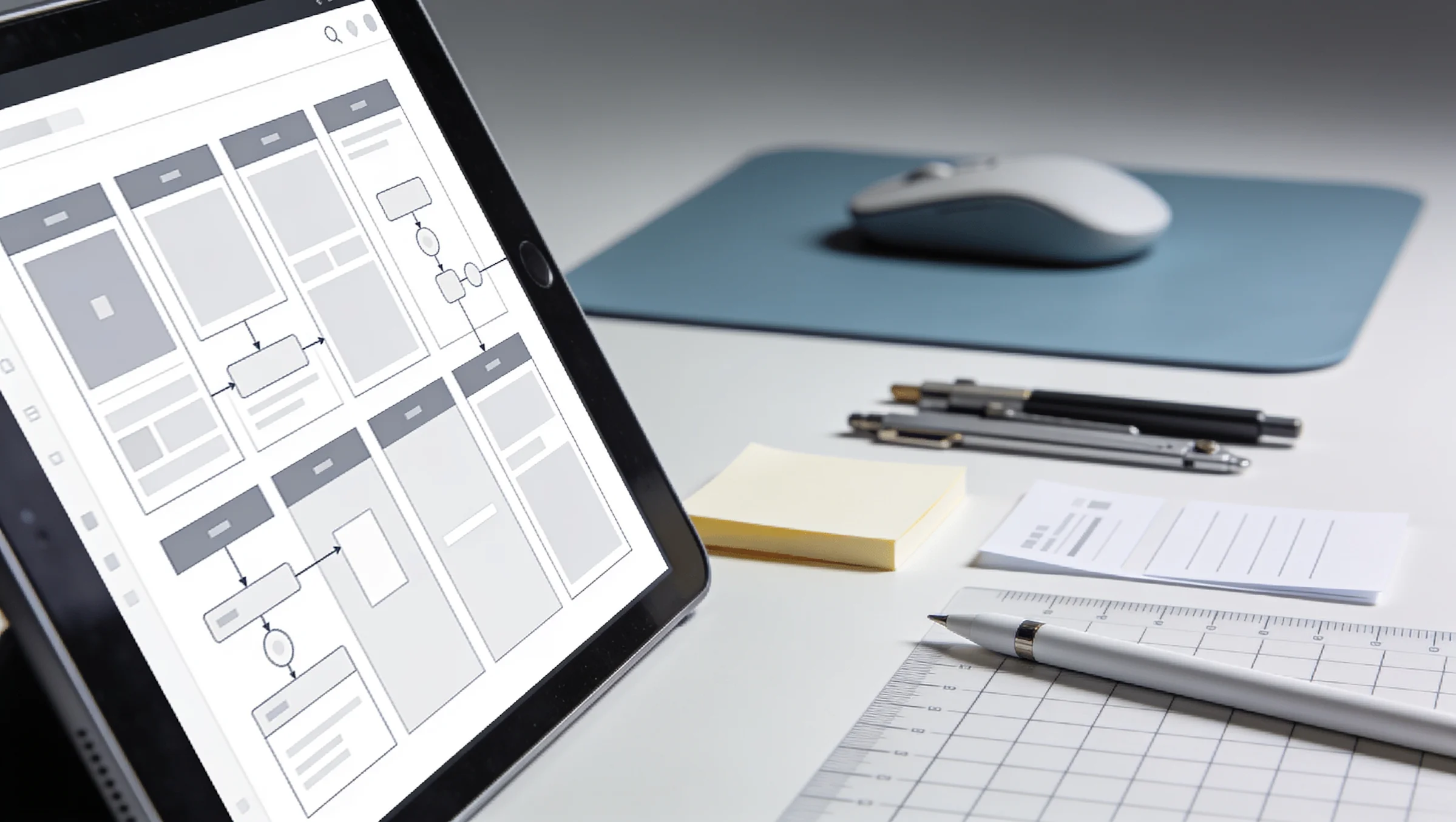
Before jumping into wireframes or prototypes, put yourself in your users' shoes. Empathy is the foundation of user-centered design, and this means not just knowing what users want but truly understanding why they want it. Conduct ethnographic research, observe users in their natural environments, and listen actively to their frustrations and needs. The goal is to uncover insights that will drive every aspect of your product development, from features to functionality.
2. Develop Detailed User Personas
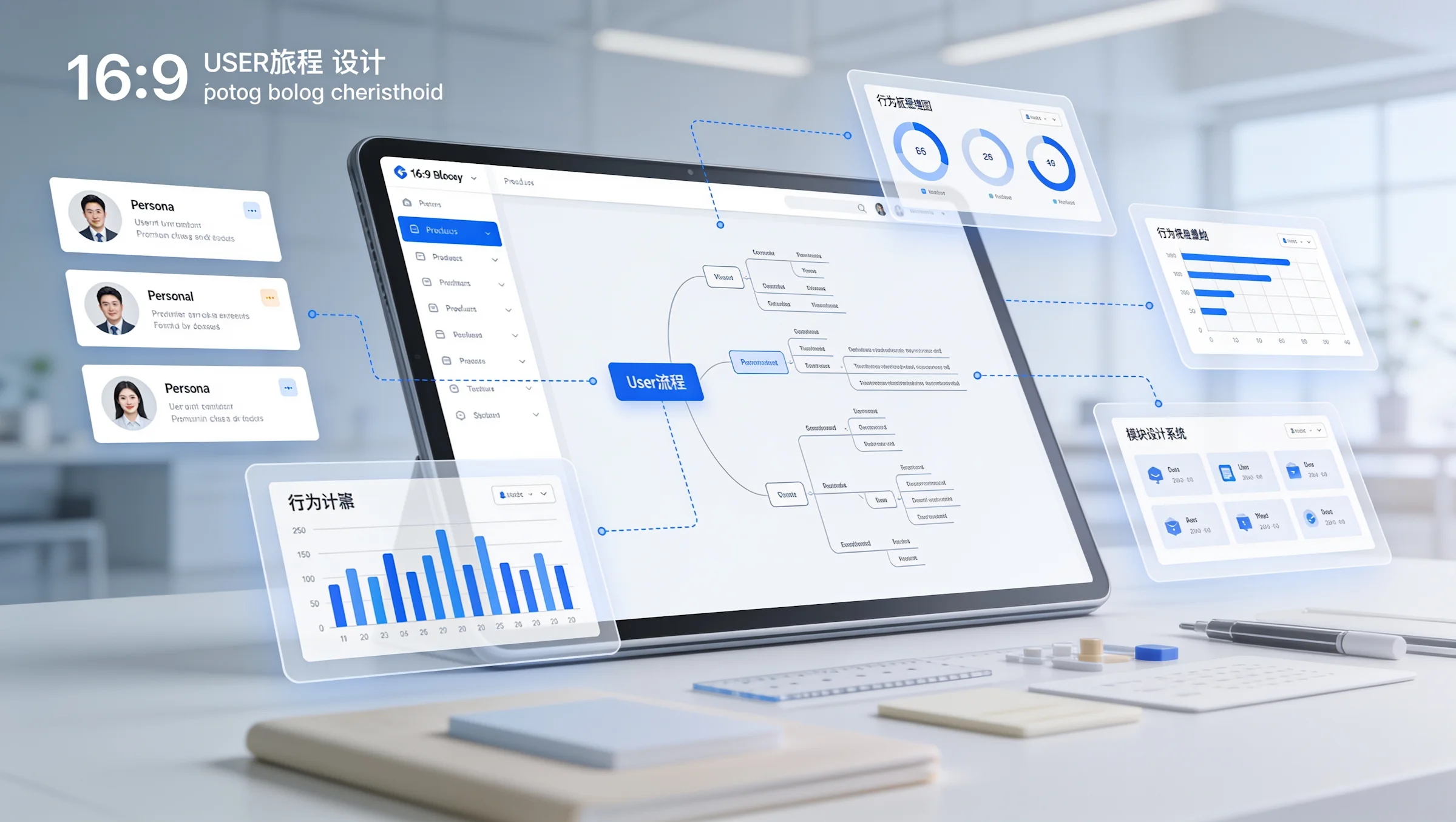
Creating personas is about going beyond basic demographics. It’s about painting a rich, detailed picture of your ideal users. Start by grouping your audience into segments based on shared characteristics—age, profession, tech-savviness, challenges, goals, etc. Then, go deeper: What are their personal motivations? What problems do they need solved? These personas will serve as your guiding lights when making design decisions.
3. Map Out User Journeys to Identify Key Moments
A product isn't just an isolated tool—it's a part of the user's overall journey. To create a truly user-centered experience, map out the steps users take when interacting with your product. What are their goals at each stage? What frustrations do they encounter? By understanding the user's entire journey—from discovery to repeat usage—you can identify key moments to delight users and remove friction points that hinder progress.
4. Simplicity Is Key: Prioritize Usability
One of the easiest ways to frustrate users is by complicating the design. The simpler your product is to use, the better. Whether it's a mobile app or a website, users should be able to achieve their goals with minimal effort. Every design decision should aim for clarity—ensure that users can navigate intuitively without a steep learning curve. The best designs are often the ones that are simple yet elegant.
5. Design for Inclusivity and Accessibility
True user-centric design means making your product usable for as many people as possible. Accessibility should never be an afterthought. From color contrast to screen reader compatibility, ensuring that your product works for users with diverse abilities should be baked into the design process from day one. This approach not only increases your product’s reach but also demonstrates that you care about all users.
6. Gather Real Feedback Early and Often
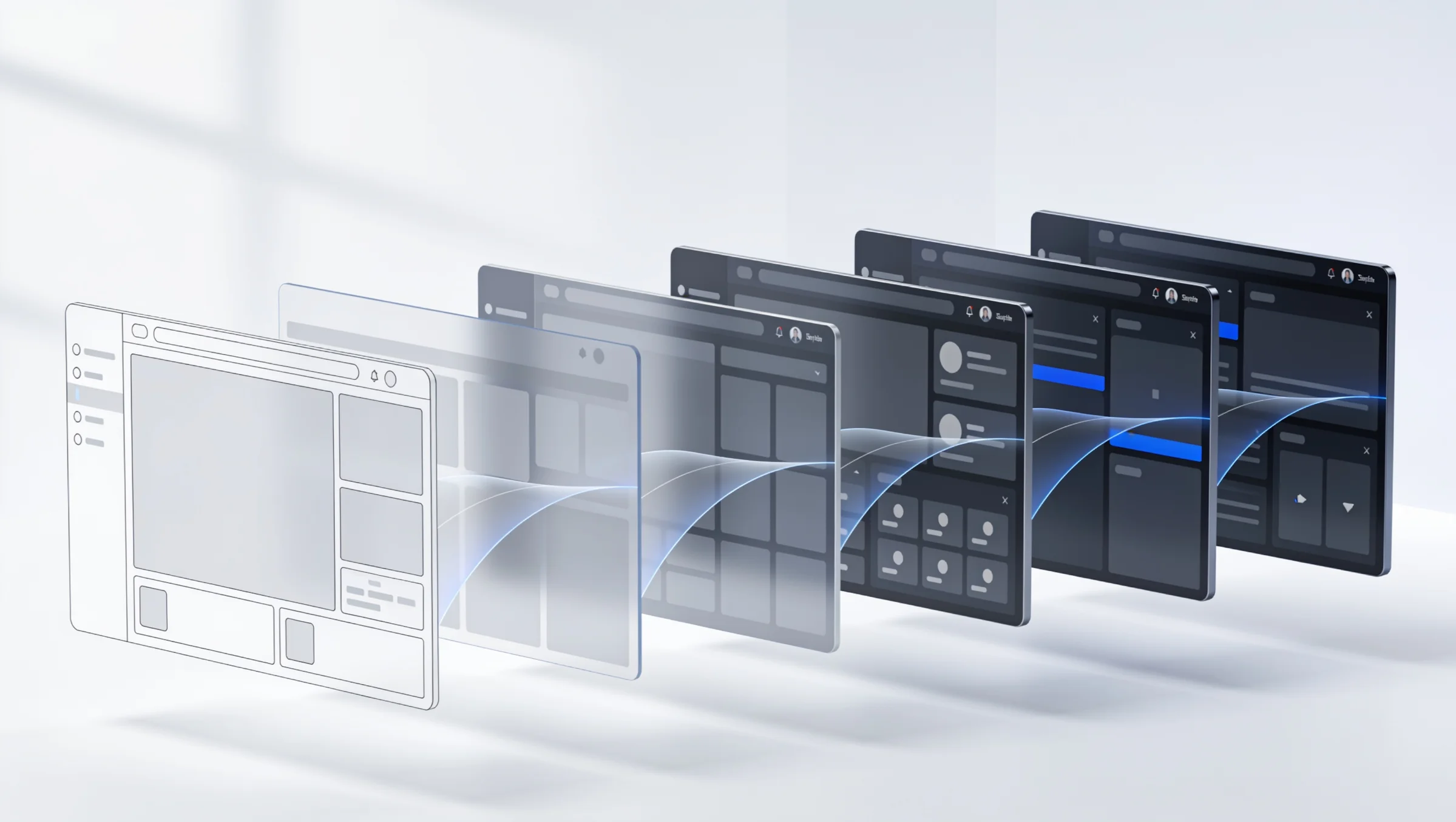
Building a product that truly meets users' needs requires constant iteration. That’s why it’s important to test your design early in the process and gather real-world feedback. Usability testing isn’t just about finding bugs; it's about uncovering how users emotionally and physically interact with your product. Every bit of feedback helps you refine your product and create a more seamless experience.
7. Create Emotional Connections Through Design
User-centric design isn’t just about functionality—it's also about how users feel when they interact with your product. A well-designed product can evoke positive emotions, whether it’s delight, trust, or satisfaction. Consider the tone, language, and visual aesthetics that resonate with your audience. A product that makes users feel understood and valued will foster long-term loyalty and engagement.
8. Embrace an Iterative, Feedback-Driven Process
Even after launch, the work is far from over. A successful user-centered product evolves continuously based on real user feedback and changing market conditions. Keep refining your product by listening to users, staying flexible, and adapting to new insights. An iterative design process helps you stay aligned with user needs over time and build a product that evolves with its users.
Why User-Centered Design Matters
User-centered design is no longer just a buzzword—it’s a critical business strategy. By focusing on real user needs, preferences, and behaviors, you can build products that not only meet but exceed expectations. The payoff is clear: higher user satisfaction, increased loyalty, and a competitive edge in the market. A product that is truly centered around its users will naturally see higher engagement, more recommendations, and sustained growth.
Final Thoughts
Building a successful product requires more than just technical expertise—it requires understanding your users and creating a seamless, enjoyable experience for them. When you put users at the center of your design process, you're not just solving problems; you're creating lasting connections that keep them coming back. Whether you're designing an app, website, or any other digital product, remember: It’s all about the users.

Blogs

Other Latest Articles & Blogs
Here, we share insights, tips, and updates to keep you in the loop.